
I love coffee.
Coffee is consistent. It’s pretty much the same no matter where you go. Of course, we can add all kinds of extras to take it up a notch, but in the end, it’s still coffee. Reliable coffee.
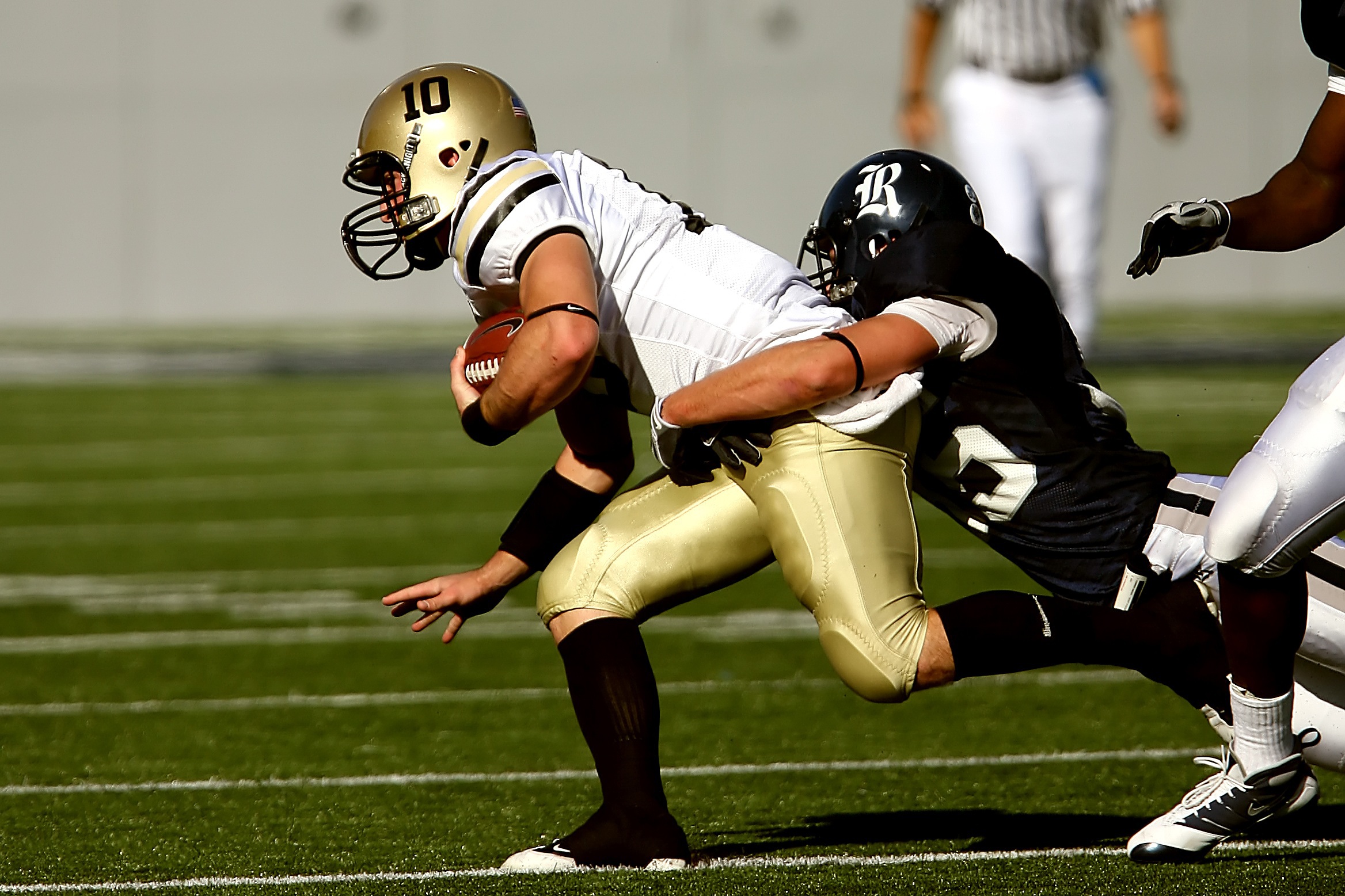
You almost never think about coffee and sports. Who goes to the concession stand for an espresso? Maybe in Green Bay on a snowy game day, but coffee is rarely on the menu when soda and beer are the usual offerings.
But I love sports. So, on occasion, I put down my mug and take a chug.
Did I mention I love sports?
I love that in sports, you will always find Laughing Lions, Tame Tigers, and Bad News Bears. No matter which team you’re facing, it will be a challenge if you want to win.
Let’s start with the Lions.
The Lions taunt their opponents. They talk a tough game and work hard to make their opponents lose confidence. You can ignore them for as long as you can, but the relentless barrage of insults, trash talk, and shaming can drive even a good player to distraction.
They do it to win, and they’re really good at it.
I can’t blame them. Who wants to be a loser? Losers are often punished, criticized, and ridiculed. Why take that chance when you can get inside your opponent’s head and make them doubt themselves before the game is even decided?
The Lions understand that competition isn’t always about physical strength or natural ability. Sometimes, it’s about controlling the atmosphere. They want to dictate the tempo, set the tone, and make everyone else play their game.
Then there are the Tame Tigers.
Tigers are calm and focused. Fierce when they need to be, but usually fun to spar with. They may take a loss every once in a while, but they never let you down in the clutch.
Tigers know how to move quietly, steadily advancing toward the goal. They don’t have to announce every move or intimidate everyone in their path. They study the competition, understand their strengths, and wait for the right moment to strike.
You might underestimate a Tiger because they aren’t making much noise. That would be a mistake.
When the pressure rises and the clock is running down, the Tiger is often right where they need to be. They know that winning isn’t always about making the most noise. Sometimes, it’s about keeping your composure when everyone else has lost theirs.
Finally, we have the Bad News Bears.
They are the team we all love to hate—or perhaps the team we love to love. They’re the underdogs we know probably can’t win, but we want them to anyway.
They are the misfits and ragtag bunch who understand the lingo but aren’t quite ready for prime time. They have talent, but their talents don’t always work together. They have enthusiasm, but enthusiasm alone won’t win a championship.
What they need is a catalyst: someone who can organize their abilities, challenge their assumptions, and push them beyond the limits of their comfortable plateau. They need someone to help them discover the stellar performance they’re capable of delivering.
Without the Lions and Tigers, the Bears might be perfectly content to take it easy. They will play for the fun of it, needing neither risk nor reward. But let a Lion or a Tiger poke the Bear, and suddenly, the game changes.
The Bear comes out of hibernation.
The sleepy underdog finds a reason to fight. The misfits begin to work together. What once looked like a collection of individual weaknesses becomes a team with a purpose.
And that’s when things get interesting.
Being a spectator, we look forward to the matchups. Safe on the sidelines, we can get a good view of the action without the hazard of injury. We can cheer, shout, and express sorrow and disappointment, then joy and satisfaction, all from the comfort of the stands.
We can admire the Lion’s confidence, respect the Tiger’s discipline, and root for the Bear’s unlikely victory. We can argue about the calls, question the coaching decisions, and replay that final play in our minds long after the game is over.
But there is something else about sports that keeps me coming back.
Sports give us a front-row seat to human nature.
We see what happens when confidence becomes arrogance. We see how discipline holds up under pressure. We see how a team of individuals can become something greater than the sum of its parts. And we see how a person who has been counted out can surprise everyone—including themselves.
Perhaps we recognize a little of ourselves in each of these animals.
Sometimes we’re Lions, trying to convince the world that we’re strong enough to win. Sometimes we’re Tigers, quietly doing the work and trusting our preparation. And sometimes we’re Bears, wondering whether we have what it takes to compete with the best.
The interesting thing is that we don’t always get to choose which opponent shows up. We don’t get to control the trash talk, the pressure, the scoreboard, or the circumstances that put our abilities to the test.
What we can control is how we respond.
Will we let the Lion’s roar shake our confidence? Will we have the patience to move like the Tiger? Will we recognize that being the underdog doesn’t mean we’re destined to lose?
And perhaps most importantly, will we allow a difficult challenge to reveal abilities we didn’t know we possessed?
I may not be able to answer all those questions over a cup of coffee, but I can certainly enjoy thinking about them.
So the next time I’m watching a game, I might set my coffee aside long enough to cheer for the underdog, appreciate a well-executed play, or laugh at a little harmless trash talk.
Because whether we’re watching Lions, Tigers, or Bears, the real excitement isn’t just in seeing who wins.
It’s in discovering what happens when the game brings out the best—or the worst—in those who play it.
Now, if you’ll excuse me, I think I’ll pour another cup of coffee.
The game isn’t over yet.