
That’s not a question we usually think about when we sit down at the table for our morning cup. We don’t consider the cascading chain of events, people, and time that it represents.
If you are like me, you are bumbling through the morning until you get your first sip. Then you wake up a little bit more. You take another sip, and before you know it, your cup is empty and the morning rush is on.
Today, I want to take a slow breath, pause, and remind us where our coffee actually comes from—and express some well-deserved gratitude to the many hands that bring it to our tables.
Major coffee producers are found in regions like Brazil, Vietnam, Indonesia, Colombia, Ethiopia, Honduras, and Uganda. Coffee plants are a bit snobbish. A coffee tree will grow almost anywhere in tropical climates, but it will not yield the best beans unless it is babied. They thrive in steady 60–75°F weather with around 70% humidity, tucked high up in mountain belts known as the Bean Belt. They are sensitive to frost and can be damaged or die if exposed to freezing temperatures. From the moment a seed is planted, it takes three to four years for a coffee tree to bear its first fruit.
Behind every harvest are farmers who tend to these delicate crops day in and day out, watching the weather, protecting the trees, and nurturing them through seasons of patient waiting. When harvest season arrives, harvesting the coffee cherries requires painstaking hand-picking to identify and pick only the cherries at the peak of their ripeness. Because cherries on a given branch ripen at different rates, workers must return to the same tree multiple times.
It is grueling, highly skilled, physical work—often on steep mountain slopes under the hot sun. Without these experienced harvesters selecting every single cherry by eye and touch, the quality of our morning cup simply wouldn’t exist.
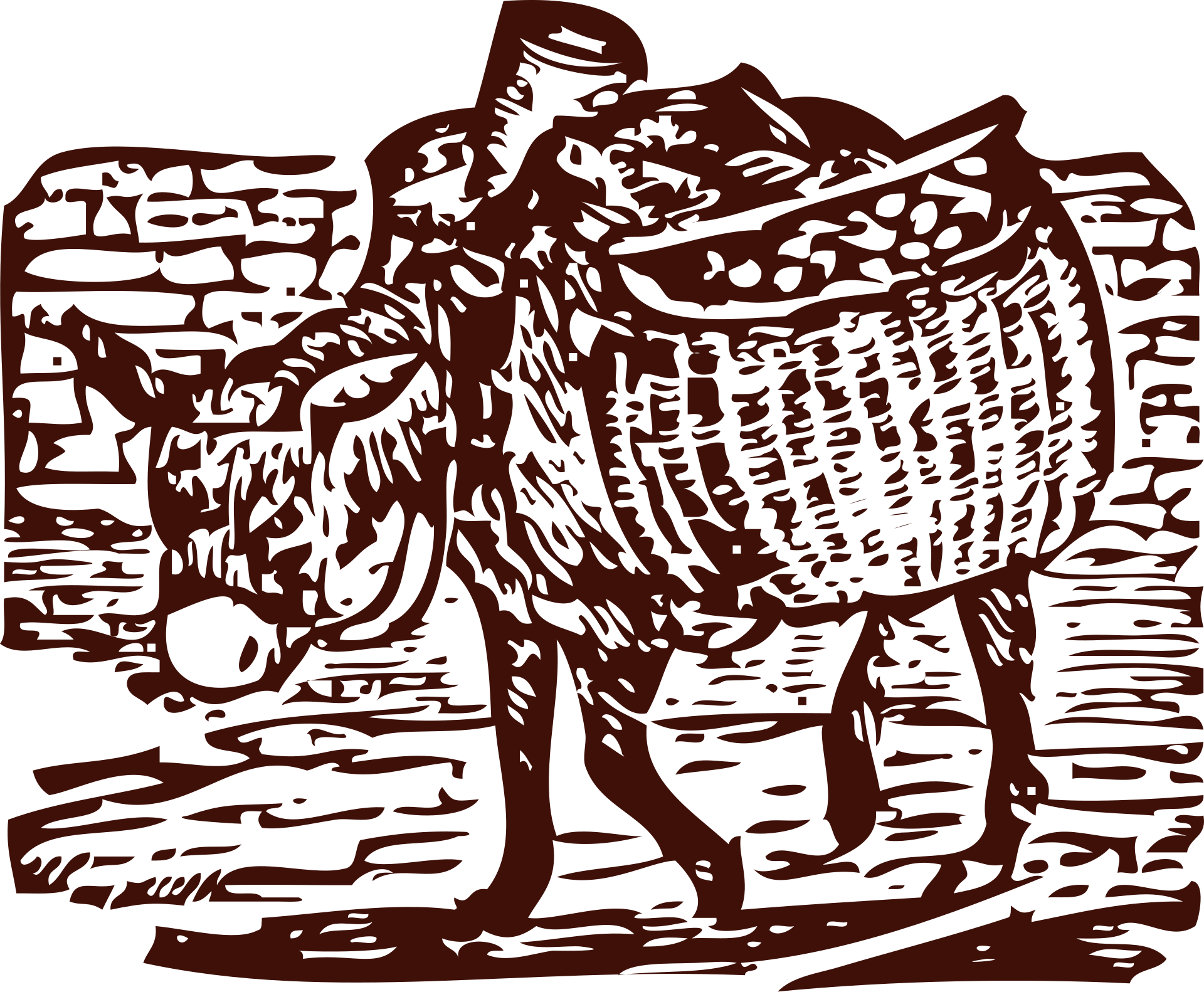
Once harvested, the journey is far from over. The coffee cherries must be processed—either washed, natural-processed, or honey-processed—to separate the outer fruit from the seed inside. Then comes the drying process. Beans are often spread out on raised beds or concrete patios to be sun-dried, requiring constant raking and monitoring so they dry evenly without spoiling. Next, millers hull, grade, and sort the green coffee beans, inspecting them for defects before they are packed into heavy burlap sacks.
It is a delicate craft balancing science, timing, and traditional craftsmanship.
From remote mountain farms, those burlap sacks travel via trucks, ships, and trains, handled by logistics teams and importers who navigate thousands of miles across oceans to bring green coffee into our local communities.
Once the beans arrive, master roasters take over. Roasting coffee is both art and chemistry. Roasters carefully monitor temperature, airflow, and time, turning green, grassy-smelling seeds into fragrant, rich, aromatic roasted beans. They unlock the unique flavor notes—chocolate, citrus, floral, or nutty—hidden deep within each origin.
Finally, the coffee makes its way to your favorite local shop, grocery store, or kitchen counter. Whether ground fresh by you at home or brewed by a friendly barista in your local café, this final step completes a chain that spans continent-crossing journeys and dozens of dedicated individuals.
The next time you pick up your mug in the hazy quiet of the morning, take just five seconds before that first sip. Feel the warmth through the ceramic. Smell the rich aroma.
Consider the farmers, the hand-pickers, the processors, the shippers, the roasters, and the brewers. It takes a global community to fill one small mug.
Here’s to the invisible hands behind our morning routine—thank you for making every morning just a little brighter.